Episode Transcript
[00:00:00] Speaker A: Welcome to the Closeness podcast. You can donate to our Patreon by visiting patreon.com closeness. Now, are you ready to come closer?
[00:00:10] Speaker B: Let's get started.
[00:00:11] Speaker A: Hi, everyone.
[00:00:12] Speaker B: Welcome back to a very special edition of CLOSeNess. Today I'm very pleased to announce that we have our first guest on the show.
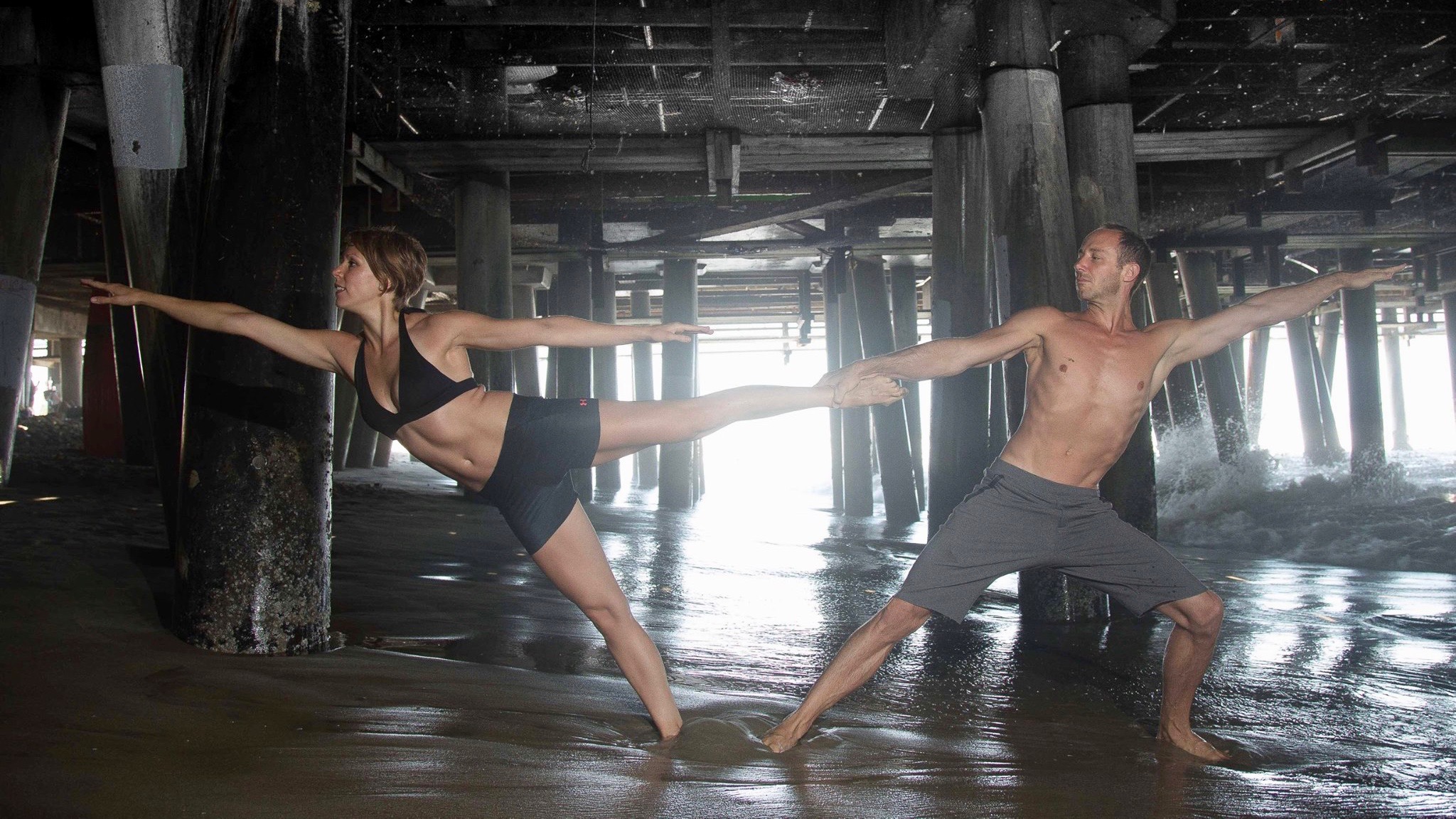
[00:00:20] Speaker A: Not only is she a wonderful guest, and I think you're going to like what she has to say, but we're talking about a very unique subject, which is the world of dance and closeness, sexuality and intimacy as it relates to.
[00:00:34] Speaker B: Dancing and social dancing. We're going to be exploring a lot and I'm really excited about it.
[00:00:39] Speaker A: So without further ado, I'd love to introduce Brianna Gibson, who is a professional dance instructor.
[00:00:46] Speaker B: We're going to say a quick hello. So hi, Brianna.
[00:00:49] Speaker A: I'm really happy to have you as our first guest.
[00:00:52] Speaker C: Hey, Tari, thanks for having me on today. I'm really excited to be on your show. I'm a fan.
[00:00:57] Speaker A: Thanks, Brianna.
[00:00:58] Speaker B: Before we begin, I want to start by giving a few key disclaimers. And of course, the more you listen to the Closeness podcast, the less disclaimers.
[00:01:05] Speaker A: We will be giving.
[00:01:06] Speaker B: But it's always important to set a tone. This is the Closeness podcast. It's about understanding how to be close to others, how to share intimacy, how to unravel some of the subjects that.
[00:01:19] Speaker A: You'Ve been pent up about, and how.
[00:01:21] Speaker B: To understand yourself better.
[00:01:23] Speaker A: So now during this whole podcast, you'll hear us speaking about sexuality, sensuality and intimacy within the context of dance. But I want to be very clear here that this episode is not about.
[00:01:35] Speaker B: Sexualizing dance or making it sexual.
[00:01:39] Speaker A: Nor is anyone here suggesting that the purpose of dancing is to be sexual.
[00:01:44] Speaker B: Without ignoring the fact that there is sensuality in dance and that we are human. And sexuality does come up.
[00:01:51] Speaker A: In fact, it comes up a lot if you also feel chemistry or an attraction to someone with whom you're dancing.
[00:01:58] Speaker B: Just as it would in any other field.
[00:02:00] Speaker A: So we'll be looking at how those components come into play within dance. And I think you're going to find.
[00:02:05] Speaker B: It fascinating to see some of the parallels between the two.
[00:02:10] Speaker A: Now, with all of that out of.
[00:02:12] Speaker B: The way, let's ease into all of this slowly. So, Brianna, tell us a little bit about why you're here today.
[00:02:19] Speaker C: I'm here to bring a little bit of the female perspective to a lot of the topics that Tari talks about, because I think what Tari is doing is really interesting and also very relevant, especially as a dance instructor and somebody that has to explain how to be confident in yourself and somebody that needs to be able to communicate boundaries. I'm here to talk about boundaries because it relates a lot to relationships and dancing.
[00:02:48] Speaker A: We both have taken a similar style of dance class together called Zuk. It's a Brazilian style that has a lot of sensual aspects to it, but also follows a very specific pattern as well. I'm no stranger to dance in terms of movement and hip hop, but when it comes to partner dancing, it's a very new world for me. And as soon as I took my first class, it really seemed like a lot of the rules that applied in relationship also apply in dance in terms of boundaries, space, body language, how to read somebody. Would you agree?
[00:03:20] Speaker C: Absolutely, I agree.
I always say that you can tell a lot about somebody the moment you touch them, as soon as whether the guy connects on my shoulder, and right now I'm even grabbing my shoulder, because for me, it's like, it's such an indication of what kind of dance it is going to be. Right off the bat, I know if he's going to be a strong leader or if he's going to be a timid leader just within the first 30 seconds of touching.
[00:03:46] Speaker A: Okay, so let me ask you, it's probably a rhetorical question, but is there ever a time where you prefer your lead to be timid, unsure, insecure, tepid in his touch, or, I want to.
[00:04:01] Speaker C: Say flaccid, but no, not usually. I understand that that's going to be the case with a lot of leaders in the beginning, but that's not something I would ever prefer. Now, that doesn't mean that I don't want a leader that is always telling.
[00:04:16] Speaker D: Me what to do.
[00:04:17] Speaker C: I do like a little bit of a lead that kind of hangs back a Little bit. So I can do what.
If I hear something in the music that feels good to me, then I want to have that opportunity to do that.
[00:04:30] Speaker A: All right, good. Well said. And I think if you're listening, you must be hearing that there are some parallels in how someone leads in dance, with how someone leads in relationship, and even in the bedroom. I think that dance is such a great, great environment to both learn and practice some of these roles if you find that they are challenging for you, depending on who you are and what role you play in your relationships. All right, so let's jump into something a little bit more polarizing. What happens if the lead is actually someone who's comfortable with leading or being dominant, if you will, but it's not vibing with you like, it's maybe too aggressive or too much. So you've got a partner who's actually playing their role. They are leading. They are taking the lead, but the energy isn't right, and it isn't working for you. How do you get out of a situation like that? Or how do you navigate that in the moment with your body language or words?
[00:05:29] Speaker C: So you're asking me, how do I respond to my leader who is being overly aggressive?
[00:05:35] Speaker A: Correct.
[00:05:36] Speaker C: Okay. So if my head is in the right spot, I might actually hang back a little bit more. That's not typically the way that I dance. I typically dance everything that the leader wants me to do. But if I feel that he's being overly aggressive, I might actually just hang back a little bit longer in my movements. So, like, if he's telling me to go forward, I will just take an extra second to go forward, and probably I might even look at him like, you are being aggressive. And so if you're aware, you'll see it in the eyes and in the body.
[00:06:07] Speaker A: Okay, so you're saying that you prefer to use body language first?
[00:06:11] Speaker C: Yes.
[00:06:12] Speaker A: Got it. And for men who are listening, this is a really interesting point, because rejection or a concern or a problem doesn't always get communicated from a woman immediately with words. It happens first in the body, and that can actually be a very polite and respectful thing to not embarrass you or humiliate you. So I do think it's very important to be aware. Okay, so how many things actually have to not feel right before you will actually say something? What will make you speak up?
[00:06:43] Speaker C: And I don't think there's a specific number. And I think the only time that this has ever happened to me is there was a guy that just wanted to be in control of the entire dance to the point where he out loud said to me, hello, I am leading.
[00:07:00] Speaker B: Okay, so dancing involves a very strong.
[00:07:03] Speaker A: Degree of intimacy, would you agree?
[00:07:06] Speaker C: Absolutely.
[00:07:07] Speaker A: And it involves connection and touch and eye contact and all of that stuff. What is your experience when you dance with multiple partners and each of them are making you feel different things? Some highs, some lows, some excitement, some curiosity, and some just total satisfaction. I don't want to imply that you are dancing for anything other than the love of dance, but different emotions do come up. So when you do feel chemistry with someone and not with someone else. And so much of dance is about connection, closeness, and intimacy, even though it's about dance, do you draw boundaries with some and get closer with others? And how do you navigate that world.
[00:07:48] Speaker C: Wow, that is such an interesting question. Because sometimes it's the guy that can become uncomfortable in the dance and it's not the woman. It's common for people to think that women are the ones that become uncomfortable. Like, you need to always ask them for consent. But really, in a dance, if I notice that I come in closer to a guy, which can be a bit of a faux paw, you're not really supposed to come at the guy in a dance. And what that would look like for maybe people who have never danced before is like, even when you go into a. You just place your hands on each other's shoulders. If the woman is making the move first, that would be her being even just more aggressive than the guy is.
[00:08:34] Speaker A: Making that kind of move. Frowned upon.
[00:08:37] Speaker C: I've heard teachers frowned upon it. Certain teachers frowned upon that, yes. I guess it just depends on what kind of a woman that you like, what you prefer as a woman. I danced East coast swing and Lindy hop for a time. And I would say at that time, it was all just dance. For me, it didn't ever mean anything. I could dance with anybody. It was just a lot of fun.
Now, as I've gotten into the more sexual type dances, I almost don't want to say this all on the air, but if I'm being honest, even in West coast swing and in Zook, there have been dances that I've had where I start to wonder what it would be like to be with that person off of the dance floor.
[00:09:20] Speaker A: Yeah, I totally get that. And I also understand that you don't want to suggest that that's what dance is about or that's why people do it. But we're just exploring that these types of things exist. But to jump back into it in those moments, does it stay in your head as a fantasy? Will you do things to allow it to go further? Or do you defer to the man to kind of see what he may say or do in such a situation? Do you defer to him to also take the lead in that regard?
[00:09:51] Speaker C: Again, before, when I was more shy, I would just leave it alone. And the other thing is, I am in this community all the time, so I'm very selective about who I am sort of giving the eye to. That's kind of where I start, is I'll maybe give them a look or I'll say extra nice hi or give them an extra long hug or some kind of indication that I might be interested in more than dancing.
[00:10:20] Speaker A: All right, perfect. In your world, do you think it falls on the man to be the initiator or aggressor for you when it comes to romantic and intimate relationships?
[00:10:29] Speaker C: When it comes to romantic relationships, I mean, it's different than dance. But, yes, that's a personal preference for me. Yeah. When I'm off the dance floor, it is a preference for me that the man is aggressive. I agreed with your comment on another episode about having confidence and that a woman, what they really want more than anything is just that a man can take initiative in any kind of act.
[00:10:56] Speaker A: Right. I think the idea of community in dance is a very interesting one because once you start taking a handful of classes or you become good, you are, as you said, involved in the community. So people know you, people watch you. People look up to you. You're also a teacher. And then all of a sudden, there becomes these boundaries that have to be set up between teacher student, for example, or teacher teacher. And at the same time, there are real feelings of intimacy that can come up. And those feelings are always very interesting for me to hear about, observe, or navigate. So it's an interesting place to be to be in a community, whether you're a student or a teacher or even both sometimes.
And wanting to maintain a certain status or distance or degree of professionalism in your dance. And yet when you have these movements that are outright sensual, sometimes sexual, and sometimes you just can't help but feel the magnetism between you and someone else.
[00:11:58] Speaker C: Okay, I think I can take it from here. Okay. So when I am meeting somebody and I feel like, that magnetic connection, I am weighing logically whether or not I.
What I know myself. So I'm asking myself, like, is this a person that matches the qualities that I have on my mental list of all of the things I would want in a man? And you don't have to become intimately, too intimately close physically with a man to have a conversation with him and just get to know if he's hitting the basic, I say, basic check marks, but you would know what that is. A woman would know what that is for herself. If she knows herself well at all, then she would know, okay, these are my deal breakers, and these are my must haves. If he doesn't have one of those must haves or if he has one of those deal breakers, for me, there's just no reason to even break into that level of physicality because you're putting too much at risk in the community.
[00:13:09] Speaker A: Okay, this is really great. So, first of all, would you say you know right away whether you would want something to continue with a man or not, based on a few interactions.
[00:13:18] Speaker C: I can say that I make quick decisions.
[00:13:22] Speaker A: Okay, perfect. That being said, if a man, unbeknownst to him, is not ticking a box or two for you, what happens to you mentally? Is it an obvious thing? Do you shut down emotionally? Do you just distance yourself? Do you go, oh, this wasn't hit? What is the process?
[00:13:40] Speaker C: I distance myself physically and emotionally right away. For example, I'm in a process of looking for a new dance partner, and potentially, that has the opportunity for relationship, but it doesn't mean that it's definitely not something that I'm looking for first. So I've been explaining this to a few guys that I feel like I've danced well with, and I feel like I want to be actually in a professional relationship with them. So I say, you have to be okay with practicing with me and a lot, and you have to have this same ambitious goal that I have to reach this basically a routine category that I want to do later on in my career. And I'm looking for somebody to kind of go on that journey with me. And a lot of these guys, when they hear me say, like, oh, I want to be a dance partner with you, they're kind of thinking they want to be a romantic partner with you, too. Maybe they're kind of like, maybe she wants this, too. Well, there was one guy that I talked to, and I said, yeah, I want to go into the rising star routine. And he said, oh, but that means that you have to practice on weekends. And I said, yeah. And just immediately was like, we're done. If you can't practice on weekends, that's it.
[00:15:03] Speaker A: When you consider a dance partner, does their skill level come into play?
So here's a few questions for you. Would you consider someone who's not as adept as you are? Obviously, we all love being with people who are better than we are so that we can level up our skill. And do you find yourself less sexually attracted to them because their movement lacks in quality or finesse or skill?
[00:15:31] Speaker C: That's a great question. So, there is a quantifiable way in West coast swing to measure somebody's ability, and they measure that on a level of novice to champion level. So, although that is a quantifiable way that those judges say that you are a good dancer, really, I've danced with people that I didn't know they were a novice, maybe because they've never competed, but they're actually really great dancers, so I don't let titles get in that way of me deciding who I'm going to dance with or who I enjoy dancing with. I enjoy dancing with dancers of all levels and in all styles.
[00:16:11] Speaker A: That makes sense. But let me try to be a little more specific with this one. Would you be less attracted to someone who's a potential dance partner because their skill level wasn't as high as yours or as close to yours? For instance, a beginner versus someone who's at your level, would that affect your physical and intimate attraction to them?
[00:16:34] Speaker C: I would say yes only because it's so hard for me to know what they're trying to do with me in general. Once we're on the floor, I'm trying to figure out, do you want me to go left or right? I can't figure out if I like you right now.
So if they're that level of a beginner. But since I've been dancing for three years now, if I'm dancing with somebody that's maybe only been dancing for six months, I can still be attracted. I have been attracted to people who've been dancing less than me. It's just that I have been attracted to people who dance less than me. But I do find that I am more often attracted to guys that have danced longer. Maybe that's only because I've been dancing only three years.
[00:17:15] Speaker A: Sure. If you haven't noticed, the point I'm trying to make is in my head, I have this idea that especially with dance, and especially in a skill that requires a man to lead, and especially with so many stereotypes of women enjoying when a man leads, that it seems to me that it would make sense that a partner who is more adept and more skilled would also be more sexually desirable to you if you're evaluating them for a relationship as well.
[00:17:42] Speaker C: Yeah. Tari, so here's my problem. I found somebody that I really like that is really great, but they're not available because they're so charming that everybody else wants them too.
[00:17:57] Speaker A: And that creates, I'm sure, its own set of issues. Like, is this person a player, and are they with everyone else, and where do I fit into this whole thing? I'm sure when you think of your ideal partner, or even someone who could be your dance partner and also are considering them for relationship, do they have to be monogamous as your dance partner?
[00:18:19] Speaker C: No. I think because I am a social dancer, I truly believe that in order to grow your skill set, you need to be able to dance with anybody.
[00:18:31] Speaker A: Have you ever bumped up against jealousy when you're with a partner who you like or you have a connection with, whether you've been intimate with them or not, or you have just maybe great chemistry on the dance floor, and then if you see them with someone else, does that eat away at you or bother you, or are you just able to appreciate that this is an art form or a skill or a practice, and somehow you're just able to mentally let that go?
[00:18:55] Speaker C: I'd say this is one of the reasons why dancers can be professional, is because we truly do see it as an art form. Whether I've been in a relationship or not with the person that I'm watching, I can watch them dance with anybody of any level.
[00:19:09] Speaker A: Okay, that's really interesting, because in our acrobatic community, sometimes it's a little bit different. It may be the case that a flyer, meaning the person who's on top, enjoys practicing with a particular bass, but when she sees him with someone else, or vice versa, some jealousy can occur. And I agree, it's nice to have a degree of professionalism where you can just support the practice and appreciate what they're doing together. But because both practices are so intimate, it seemed to me like there might be room for people experiencing feelings of jealousy. Have you heard about other people going through that? Or even in the case of two teachers who teaches a couple, but when they go around and demonstrate with others, if it's too intimate or if they see a connection there, do you think tHat's hard for instructors who are couples?
[00:19:54] Speaker C: I can't say for instructors who are couples. I've never actually taught with my partner before, but I can say that I was dating somebody that was very jealous of me dancing with anybody else. And unfortunately, that broke our relationship, which was. It was really unfortunate because we had a good connection outside on the dance floor and off the dance floor.
[00:20:17] Speaker A: Okay. Do you have any thoughts about jealousy or how to handle it or what the best practices? Because I think when people are jealous, of course they're not trying to be jealous. They have sort of a knee jerk or instantaneous response to it, almost maybe like they can't help themselves. Do you have any thoughts around how to handle it when jealousy enters dance?
[00:20:40] Speaker C: I think each couple in dance comes up with their own method for combating jealousy. For some people, they cannot talk to any other women. For some, they can only ask. Maybe they can only ask their students. I can't say for other couples, but I can say that when I am in a relationship with someone in dance, I will say, are you comfortable with me asking other people to dance? Are there any people that you feel uncomfortable that I dance with, because there are some dancers that just give the impression that they want more than, or maybe they don't even really want to dance with you when they're on the dance floor. They really just want something off of the dance floor. And all of that tension, you can feel it there, and it's very obvious.
[00:21:30] Speaker A: One of the challenging pitfalls about being a man who's new to the dance world is it feels like a woman isn't going to want to dance with him doing the same basic step over and over and over again. And so you have to have a certain degree of prowess to get in before you maybe go to a festival or a concert or an event or some sort where everybody's just dancing. Do you have any thoughts for men about how they can confidently navigate themselves as beginners in a world that requires them to know so much almost instantaneousLy?
[00:22:06] Speaker C: I say that whatever you feel confident doing in your movement is what a follower wants more than anything, because the ODs are. She has an idea of what she wants to do. So if you're just at least providing a very strong frame, any direction you give her, she can get creative with it. And even if she doesn't know how to get creative with it, the fact that you are there and you are strong, it doesn't matter which way you go, she's going to feel like you know what you're doing. So it's not even always about the steps or knowing the patterns. It's more about having that strong foundation that she can either work with or just feel safe in.
[00:22:50] Speaker A: It sounds like a strong parallel to relationships, where a man creates a safe container for a woman to express herself and be without being controlling, but also leading at the same time.
[00:23:02] Speaker C: Absolutely.
[00:23:03] Speaker B: Yeah.
[00:23:04] Speaker A: So let's take an interesting segue that you might not expect into ghosting on the dance floor and off and how that works in dance. So if you're not familiar, ghosting is a term we have unfortunately had to create for people who are totally unaccountable. Lie, don't keep their commitments, say they're going to do one thing and do another, say they'll call you and then don't, and just completely vanish off the face of the earth. Generally seen in dating by not texting you anymore, blocking your call, not answering your calls, et cetera. So, Brianna, tell us a little bit about how ghosting might work in the dance community, your experiences with it, and your thoughts on it.
[00:23:43] Speaker C: So I see ghosting come up in the dance community in the form of a man asking a woman to dance, generally, or a leader asking a follower to dance. And then one, either the leader or the follower says, oh, not this song, or, I'm taking a water break for this song, or can you catch me on the next song? There's something there where the dance doesn't happen. Now, typically in social etiquette, in social dance etiquette, the person who declined the dance is not allowed to accept a dance from anybody else for that entire song. So when you turn somebody down, you kind of have to mean it. Otherwise it can be, feelings can get in the way, obviously, and egos when another dance is accepted. This isn't something that I've ever done, but even if I truly actually am taking a break for a song, some people can get the impression that maybe because I did my makeup extra pretty that night that, oh, she just didn't want to dance with me because she's too pretty for me, or she's in a different level of dance category than me. And the truth is, sometimes I really actually want to dance with that person and they might actually go home before I can catch them. And I'm actually sad and I never know. Like, okay, so the next week, do I go back and say, remember last Tuesday? Can we make up for that Tuesday?
[00:25:13] Speaker D: Okay.
So how I feel like this translates into ghosting is sometimes what can happen when you make a connection with somebody is, let's start from the perspective of the man who sees the woman on the floor and he wants to ask her to dance. Maybe the woman knows him already, maybe she doesn't. But in any case, he works up the courage and he asks her to dance. Maybe they've even danced before and he enjoyed it and they both enjoyed it. And so he's making a second attempt, but this time it doesn't go well. Or this time she sits it out, or this time when he finally does, in the case that it's the first time she does not accept the dance. So there are so many variables to consider here. Like I mentioned a few when it actually comes to the couple that I mentioned, when it comes to asking to dance, it could be that she's taking a break because she just danced like 20 songs in a row, or she could be getting water. Or maybe she doesn't like this song. So in the case where outside, let's say off the dance floor, the man and the woman meet, maybe there's a situation where she has a lot of work going on that week. So when you ask her out, she just doesn't have time this week and maybe she wants you to ask her out next week.
[00:26:26] Speaker A: So wait a second. Are you saying that sometimes you've ghosted in the past because the man didn't ask you out on the right week and you want him to ask you out on a different week unbeknownst to him?
[00:26:38] Speaker D: That's a good question. So, no, that's not what I'm saying. What I'm saying is maybe I did want him to ask me out, but because I had such a busy week, I didn't get back to him. I didn't get back to him the next week.
[00:26:51] Speaker A: Let me just Sidebar here for a moment. You know how we're always checking our phones? We can always send a quick message. It takes like 5 seconds. How come sometimes you won't just send a two second message like, hey, got your call, or even a voice note or a photo or something to let the person know that you're still interested?
[00:27:10] Speaker D: That is a very good question. I think that a lot of girls overthink what they need to say. Like I mentioned earlier, or like I mentioned before, I believe that girls like to be perfectionist. They want to have the perfect response. They want to have everything figured out sort of before they make a response. And so in the process of planning that perfect response, they just actually say nothing at all.
[00:27:36] Speaker B: Okay. I can appreciate that answer. And I hope you don't mind, I'm going to dive into it a little bit deeper. Not to press on you, but because I think this comes up so much that people will appreciate hearing it. You know how if you don't hear back from a guy after you message him or call him that your mind starts to wander, you start to worry. Maybe you think he's not interested. And as the days go on, it gets worse and worse. Right.
Okay. So do you think women think about.
[00:28:03] Speaker A: I totally ignored this message. I tried to think of the perfect response. I didn't say anything. I just let it be. And now days are going by, he's probably going to think I dislike him now or I'm not interested.
[00:28:14] Speaker B: Does that process ever go through in the planning of a perfect reply?
[00:28:20] Speaker D: I can't speak for all women, but I'm going to go with probably not. They probably don't think about that. But it's something that we should think about, I guess for myself, what I do if I feel like I've been ghosted or because I feel like I've been ghosted. What I try to do is I try to remember situations in which I legitimately did not have an opportunity to get back to somebody, or I was too busy planning the perfect response, or maybe I wasn't really that interested. And I just try to put myself in that position of that version of myself when it happens to me. I don't want to have any ill feelings towards anyone that is ghosting me. So that's how I cope with it.
[00:29:01] Speaker A: Have you ever ghosted on someone and they start texting you? Because I think this is where ghosting comes into play, too. They start saying, hey, are you there? What happened to you? Or checking in, and then you continue to ignore them, not take their calls, not answer their texts.
[00:29:17] Speaker D: If somebody has reached out to me and I was interested in them, I either will reply and we will make a date, or I'll say, things have changed. I'm unavailable due to whatever the situation is.
[00:29:32] Speaker A: Well, that is very refreshing. Okay, now let's bounce back to where we were talking about etiquette and men asking women to dance and vice versa. In your mind or in dance culture, is it acceptable for you as a woman to just ask him, the man, to dance? Or is that not part of dance etiquette?
[00:29:51] Speaker C: What I try to do is I will go back and I'll try to ask, it is okay if a woman asks a man to dance. It's not usual, but it is okay.
[00:29:59] Speaker A: Why might a woman say no to an invitation to dance with someone outside of the obvious? If they have a history with them or something, but just someone new who approaches, what would be a reason why they might do that?
[00:30:10] Speaker C: Girls are perfectionists. We want to look like we know what we're doing all the time. We know that other women and men are watching on the dance floor most of the time. And so if a woman feels that she's being approached by a man who she doesn't feel like she's going to understand his lead, then she's going to feel like that she doesn't understand how to follow, and then maybe she's not going to look as good in front of her friends. But the other thing is that sometimes I know for myself. I know that if I'm dancing with someone who is a new leader, sometimes I will make a certain face that might indicate that I'm trying to figure out what they're trying to do. And it's not because they're being a bad leader. It's more of just like, I'm just learning who they are and how they lead, and that can be painful for the man. So I feel uncomfortable sometimes when I am approached by somebody that is a new dancer, because I don't want them to think that just because I'm trying to figure out their leads, that means that somehow they're doing something wrong.
[00:31:18] Speaker A: Is there anything to be said here about how you might handle someone approaching you out of the dance world? And do you follow any similar guidelines or evaluate certain things? If someone just is hitting on you or asking you out?
[00:31:32] Speaker C: We're not talking about dance. I don't know how to answer anymore.
Okay, well, now I know I had trouble answering the question at first, and that's because I go out dancing every single night, so I'm not typically in a bar. However, in situations before I was a dancer, I did have a similar approach in that I typically tend to look at a guy and how he's standing and how he's looking at me and how he's talking to me, the words that he's using, and I will literally use all of those things to determine, okay, is this somebody that I can see myself with within 30 seconds of talking to them?
[00:32:13] Speaker A: Have you been able to draw any parallels or conclusions in these 30 seconds about how good he'll be at pleasing you or kissing you or touching you based on how he's carrying himself?
[00:32:27] Speaker C: I can say safely that, yes, I would say that when I meet a man, I can tell there are certain characteristics that he has that I can tell right away if he would be a good kisser or would be intimate with me in a way that I would enjoy.
[00:32:44] Speaker A: Do you feel the same way when you watch someone dance? If you see how they dance or if you dance with them, can you also read the same thing?
[00:32:52] Speaker C: If I dance with them, yes, if I watch them dance, not necessarily, because there is a lot in the connection that you can feel that you don't necessarily see when you watch them.
[00:33:03] Speaker B: Got it.
[00:33:04] Speaker A: Okay, let's bring it back over to this idea of ghosting, because I think we wanted to touch on it a little bit more, maybe share a couple more examples of your thoughts on maybe why people will ghost, why they would choose that over just simple communication.
[00:33:18] Speaker C: Right. So if I'm off the dance floor at this point, and maybe I'm developing a personal relationship with somebody that I met, I know for myself. In situations that I've ghosted, I probably was talking to more than one person. And if there is someone like, let's say, for instance, let's say there's three different people that I'm talking to, and guy number three gets busy one day and doesn't text me at all. Well, it's likely that guy number one and guy number two, I text them instead. And if they consistently text me back over the next two days, I've already forgot about Guy number three.
[00:34:02] Speaker B: Oh, this is such good honesty. I love it.
[00:34:04] Speaker A: How much attention do you need from Guy one or two? Or how much lack of attention from Guy three does it take before you've lost interest? Is it hours? Does he have a day or two?
[00:34:18] Speaker C: Oh, my gosh, this is so funny.
It sounds silly, but it kind of just depends on my schedule.
It really does.
I hope that I'm not, like, painting this horrible picture for women, but it really does. It just depends on my schedule.
I have my own podcast. I have my own work that I do, plus I dance. And unless there is an incredible amount of attraction that I feel towards that person, it may not matter how many days there is. Like that chemical component that you can't explain, but kind of on the topic of your intimacy, because I tend to think more, and maybe surprisingly for a dancer, sometimes I feel a little bit less. Like when I'm in a relationship, I tend to think a little bit more. So I need to be engaged. So if somebody's engaging me in more conversation and they're keeping me stimulated, like my mind stimulated, then I tend to respond to those people better than maybe those who feel more, but that means that they're less available. Maybe they're not even capable. I hadn't thought about this, but maybe they're less capable of keeping me stimulated mentally.
And so that's kind of why they kind of hang back a little bit.
[00:35:36] Speaker A: So engagement is important to you?
[00:35:38] Speaker C: Yes.
[00:35:39] Speaker A: Okay.
[00:35:40] Speaker C: Part of the reason why engagement is so important to me is because when a guy does not respond to me and my text messages over a period of a day, then I'm wondering, okay, does he even have time for me?
Is having a relationship with me in his schedule? Whether that's he's with another woman or whether that's because he has something else going on, does he have a space for me at this time in his life? I try to ask myself questions that are helpful to the situation in that, like, if I'm interested, but I'm maybe starting to feel upset that he isn't.
[00:36:15] Speaker D: Getting back to me.
[00:36:16] Speaker C: As soon as I want him to, then I will ask myself, okay, well, when do I want this relationship to grow? Where do I want it to go? What is it exactly that I'm wanting from him?
[00:36:28] Speaker A: You said something interesting. You said if I haven't heard back from him in the time that I wanted to hear back from him effectively, and I'm sure you haven't quantified this yourself in terms of minutes and hours, but if you think about it now, is there a time where it's like, that's just been too much? Like if he doesn't text back in 2 hours or four or a day, that you feel maybe rejected or disconnected?
[00:36:53] Speaker C: It depends on the level of intimacy we have at that point in our relationship. If we are not even dating and we're just friends on speaking terms, it can be maybe weeks sometimes that I can go between talking to this person. But if the more that we talk or the more it seems that maybe we're going on a path of being more than friends, pursuing some type of relationship intimately, then that's when I would.
[00:37:23] Speaker D: Start to expect something.
[00:37:24] Speaker C: Maybe at least once a day.
And if I'm not hearing back, then it's happened before that maybe there's work that comes up and that can be discussed. But I want to know, for me, that's where my intimacy is, is being in communication.
[00:37:42] Speaker A: Yeah, I can relate.
[00:37:43] Speaker B: And I think intimacy through communication is that way for a lot of women, which is why it is so entirely surprising that so many have such a difficult time communicating. When it comes to this subject of ghosting, I actually have, I think, a belief about when I would like to hear back from someone. And I think it's a reasonable amount of time. But of course, that's different for all of us. To me it goes back to the philosophy that for most of us, age 18 to 50, however we communicate with the world, it's going to be done with a cell phone in some way, shape or form, whether it's email, calls, videos, texts, what have you, and that we all have the ability to reply. So my thinking is we all have busy days, we all have things that come up, we all have things that keep us away from responding to anyone. But if there's someone that you want to talk to and you want to be in communication with or have a relationship with, that at the very least, communication has to continue on a regular basis. And not every 24 hours or 48 hours or a day or a week goes by before you hear from someone. And I find it especially rude when people just reply back with busy, or I've been busy and there's no follow up, no what happens next? No answer to if we're meeting or not.
[00:38:58] Speaker A: Do men do that as well?
[00:38:59] Speaker B: Do men say busy or sorry, can't or I'm busy. Has that ever happened to you in your entire history of dating?
[00:39:09] Speaker C: That actually has never happened to me.
[00:39:11] Speaker D: And that kind of makes me feel bad because I know that I've done that, but I can't remember a time where that has actually happened to me, except for maybe from another girlfriend.
[00:39:21] Speaker B: Right, of course. Well, I largely appreciate hearing that hasn't happened to you. I'm sure it has happened to some women, but it is very interesting to consider, and that, again, ties into what closeness is really all about, which is finding these behaviors, responses and mannerisms in ourself that we can change if we want. If we want more of a connection with someone and if we want better results, changing our personal behavior with how we interact with the world to have closer and more fulfilling relationships.
[00:39:55] Speaker A: If you haven't noticed already, Brianna has a pretty incredible voice to listen to. It's very vibrant and fun and alive. And she does have her own podcast. So would you like to take a quick moment to tell us about what you offer and what you have on your podcast?
[00:40:10] Speaker D: Sure.
[00:40:11] Speaker C: Yes.
[00:40:11] Speaker D: I have a podcast for all types of creative entrepreneurs. It's called Creative Calling.
[00:40:17] Speaker C: Listeners who listen to creative calling podcast.
[00:40:21] Speaker D: Can expect to hear activities that would inspire them to grow as a professional. They can learn tools, tips, and tricks.
[00:40:29] Speaker C: That I've used in the design and illustration industry.
[00:40:35] Speaker A: Okay, does any of your online work with the podcast relate to Dancing as well?
[00:40:39] Speaker C: So originally when I started the podcast.
[00:40:42] Speaker D: It actually was for designers and illustrators.
[00:40:45] Speaker C: But because the podcast is called Creative.
[00:40:48] Speaker D: Calling, and I recently discovered my true Joy in Dancing, that was actually the catalyst for the transition from talking about design and illustration, which was previously my.
[00:41:01] Speaker C: Career, into going into talking about dance because it's so much a part of my heart and what I love to do that I just absolutely had to make my podcast about dancing.
[00:41:13] Speaker D: So it's still all of the same concepts that I talked about with creative entrepreneurs in terms of tips, tricks and tools.
[00:41:20] Speaker C: But it's just now from a dance perspective. And the awesome thing is that my listeners have had a positive reaction to that.
[00:41:28] Speaker B: Oh, that's awesome.
[00:41:29] Speaker A: Okay, what excites you about dance? Why are you so passionate about it? And does it help a part of your personality overcome obstacles, like, for example, getting out of your head or getting more into your body? What do you love about it and what does it do for your soul?
[00:41:47] Speaker C: I think the thing that I love.
[00:41:48] Speaker D: About it is that I can't explain why it is. I just remember from a very young.
[00:41:53] Speaker C: Age that I loved dancing, it wasn't something that I was afraid of when I started it.
[00:42:00] Speaker D: It was just something that I wanted to do all the time.
[00:42:04] Speaker C: Is it something that the other question.
[00:42:06] Speaker D: Was, is it something that it helps me with in my everyday life?
[00:42:09] Speaker A: Right. And does it help you overcome any personal challenges in your life, such as, I was saying, getting out of your head or getting more into your body?
[00:42:17] Speaker D: Yes. Dancing has helped me get out of my mind, my head. It has helped me become more confident. And what I love about exploring the West coast swing and zooked styles is that I've been able to take on a certain level of femininity that I didn't previously feel like I had when I was doing other kinds of dances.
It was an activity, it was fun, but it didn't necessarily allow me to express myself fully until I had a turning point where I wanted to express even more. Maybe it was that level of, like, I think it was when I became competitive, I wanted to be the best. And I learned that the girls who were doing the best actually were the ones who were the best at expressing their femininity.
And so it's been kind of interesting to unlock that for myself.
[00:43:13] Speaker B: Wow, I think that's such a good point. And for women listening, who, if you've ever had trouble being in touch with your feminine side or allowing your femininity to come out and shine, I hope you're hearing that dance is an incredible way to do so.
[00:43:28] Speaker A: When you talk about unlocking femininity, do you mean being in touch with your sexuality as well? Does that tie into it?
[00:43:34] Speaker D: I would say yes.
[00:43:36] Speaker A: So it's interesting because I think if you spoke to dance teachers all around.
[00:43:41] Speaker B: The world, if you asked them, is Zook about sex, or is this dance style about sex? Of course you'd get a resounding no, it certainly is not.
[00:43:53] Speaker A: In fact, I don't think that would come up at all. And I'm not suggesting it's coming up with you at all. I don't think you've portrayed that at all.
[00:43:59] Speaker B: However, there is this inherent sensuality to it, especially in the zook world. It's extremely sensual way of moving. And I think as humans, we relate sensuality to sexuality and sensuality to intimacy.
[00:44:16] Speaker A: So you can't say it's a dance.
[00:44:18] Speaker B: That'S sexual, but you can't really say that sexuality is absent from the dance, especially for Brazilians.
[00:44:24] Speaker D: I think they're just the epitome of masculinity and femininity in themselves. So it's a fun dance to learn for that reason.
[00:44:34] Speaker B: So how does the interplay of sensuality versus sexuality work on the dance floor in a real world situation?
[00:44:42] Speaker D: Okay, so I heard this really amazing analogy by this competitive couple in Latin.
They are currently, I believe, the world champions in Latin dancing. In a lecture that I attended by them, the man and the couple said, social dancing is for people who just want to fuck.
Just straight up in the lecture, he's like, that's what you want to do. You go to the club because you want to have sex.
[00:45:10] Speaker C: If you want to be actually a.
[00:45:12] Speaker D: Good dancer, this is where you are. You take the lessons, you go to the lectures, you improve your competitive ability. I don't think that that necessarily makes it less sexual, but I do find that the higher up in the levels you go, the more selective you are.
[00:45:33] Speaker A: Yeah, I like that a lot. And I agree that there are parallels probably in other sports as well. And I could definitely say that's the case in acrobatics. There's playtime and then there's training time. And the more you take yourself seriously as a performer or teacher or acrobat.
[00:45:50] Speaker B: The less important all that, call it dating, sexuality, intimacy stuff becomes, because you are refining a skill. You're there to work, you're there to compete, and you're there to be the best you can be in the field.
[00:46:02] Speaker A: All right, good. Well, I think we covered a lot of territory. I really appreciate you allowing me to ask some very probing questions. Again, you might have noticed that this.
[00:46:13] Speaker B: Was intended to bring the element of dance into a discussion about closeness. So the intention was never to make dance about sexuality, intimacy, and that sort of thing, but to discover the hidden gems of intiMacy, sexuality, and sensuality within dance and how that plays out in the real world and to notice all these interesting tie ins in real world relationships, because we are human and they are there and they do exist. So I hope that for those of you listening, you can hear parallels that echo your relationship as well. How either masculinity and femininity play into your relationship or a dance, or how roles such as being a leader or a follower tie into having a successful experience. Like a dance with two people leading, it's going to be a lot less successful. And with no one leading, it's not going to be successful at all. To me, I find all of that wildly fascinating.
[00:47:13] Speaker A: I think it's a subject that we could very easily go on and on and on about, but I think we're going to bring it to a close here.
[00:47:20] Speaker B: Brianna, I really enjoyed having you on the show. Thank you for coming.
[00:47:24] Speaker D: Thanks, Tari. I really enjoyed being on the show and I listen to your show all the time to find new parallels to dance and in my personal life all the time.
[00:47:33] Speaker C: I appreciate it.
[00:47:34] Speaker B: Oh, beautiful. Thank you for that.
[00:47:36] Speaker A: All right, everyone, thank you for listening. And stay tuned because there will be.
[00:47:41] Speaker B: A part two of closeness in dance.
[00:47:44] Speaker A: Thank you for listening. If you love what you heard here today, please share the podcast with your friends. We're available on Stitcher, Tunein, Google Play, Google Podcasts, Apple Podcasts, Spotify, and YouTube. If you are moved by what we shared here today and want to make a measurable difference in your life, consider getting closeness coaching by visiting getcloseness.com or by checking out some of the gifts available when you donate to our Patreon at Forward slash closeness.
[00:48:11] Speaker B: Thank you.